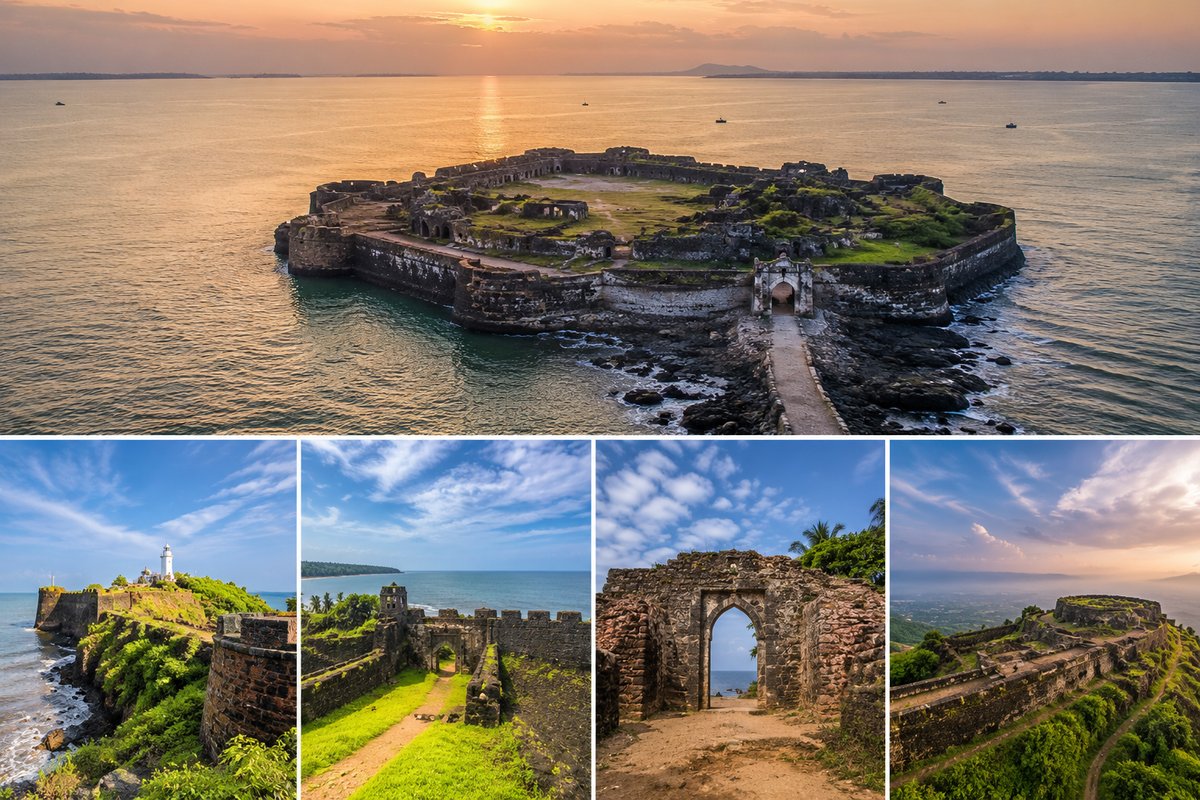
Forts in Alibaug
Explore the best forts in Alibaug, including Kolaba Fort, Korlai Fort, Revdanda Fort, Sagargad, and more. Discover history, timings, entry fees, how to reach, and travel tips.
Best Season
October To March
Overview
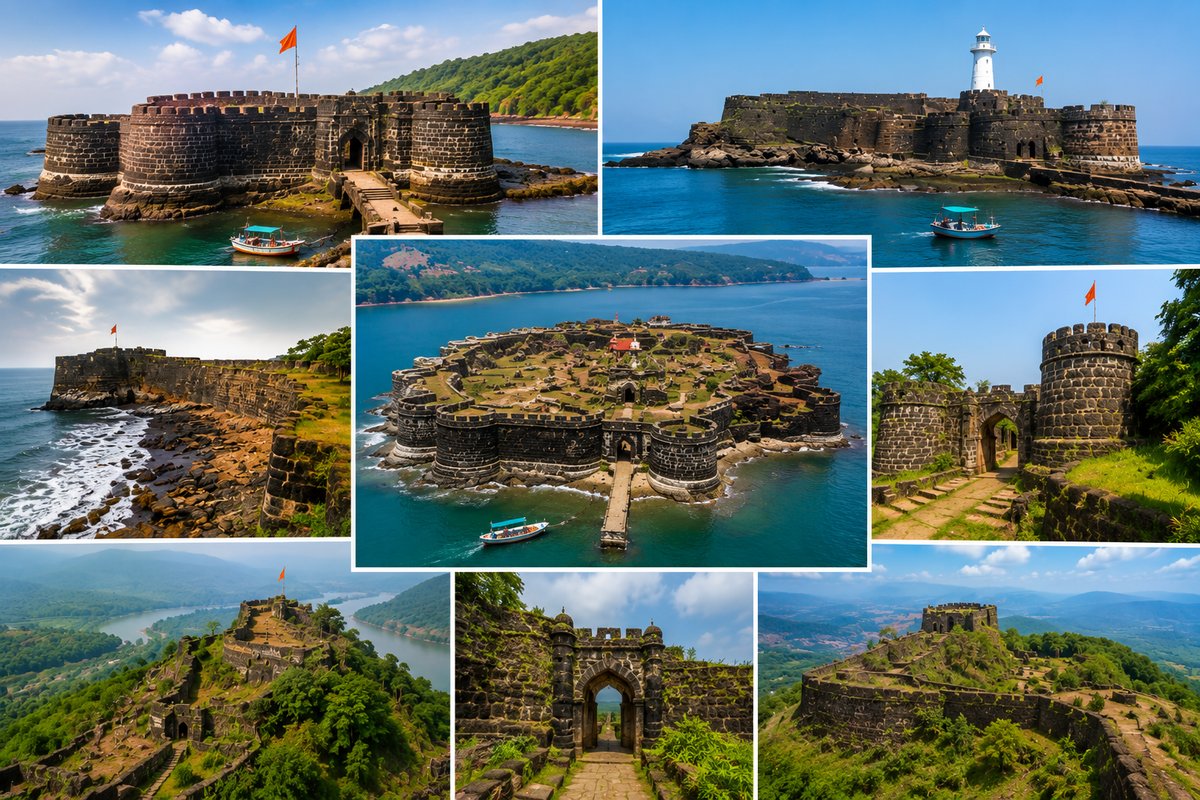
Alibaug is much more than a beach destination. Nestled along Maharashtra's Konkan coastline, it is home to some of the state's most fascinating forts that showcase the legacy of the Maratha Empire and coastal defense architecture. From the iconic Kolaba Fort standing proudly in the Arabian Sea to the scenic Korlai Fort overlooking the coastline, every fort tells a unique story of history, warfare, and heritage.
Whether you're planning a weekend getaway, a heritage walk, or a photography trip, this guide covers the best forts in Alibaug, their historical significance, how to reach them, entry details, and useful travel tips to help you plan your visit.
Explore on Map
6 locations pinnedPlaces in this Guide
6 places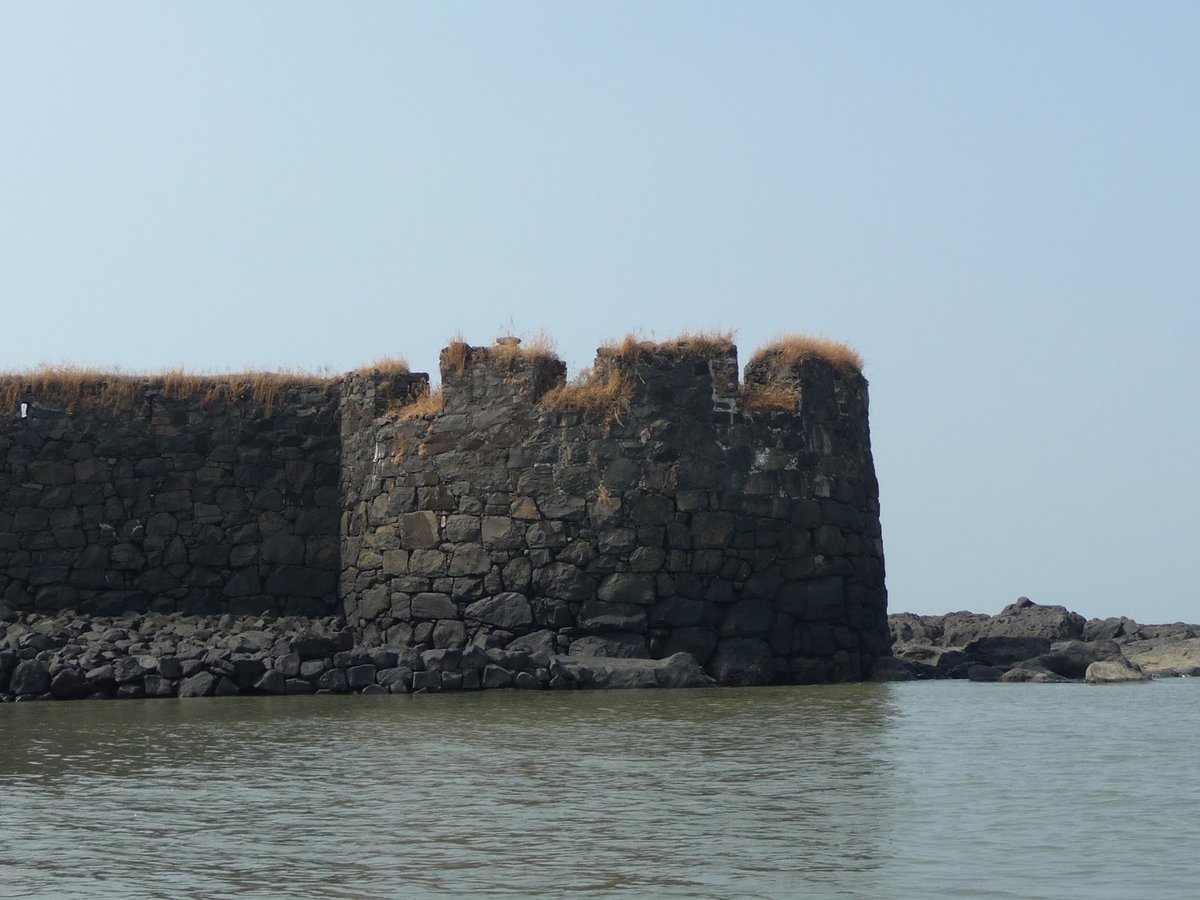 1
1Underi Fort (Jaidurg)
FortsAlibaug
Underi, also known as Jaidurg, is the sister island fort to Khanderi, sitting across the water in the mouth of Mumbai harbour south of the old Prong's lighthouse. Founded in 1680 by the Siddis of Janjira as a naval counterweight to the Maratha-held Khanderi, Underi became a strategic landmark for shipping and the scene of contests for control of these waters. Smaller and quieter than Khanderi, its weathered fortifications and lonely island setting appeal to serious history enthusiasts and adventurous boaters who want to trace the naval rivalries that shaped this coast. The island is undeveloped and access depends on boat availability and sea conditions, so it is very much an offbeat, self-reliant excursion rather than a casual stop. It pairs naturally with a Khanderi trip for those exploring the twin island forts. Reach it by boat from the Thal area. Visit only in the calm October to March season, arrange a reliable boat and confirm timings in advance, and treat Underi as a rugged, historic add-on for the dedicated fort explorer.
 2
2Sagargad Fort
FortsAlibaug
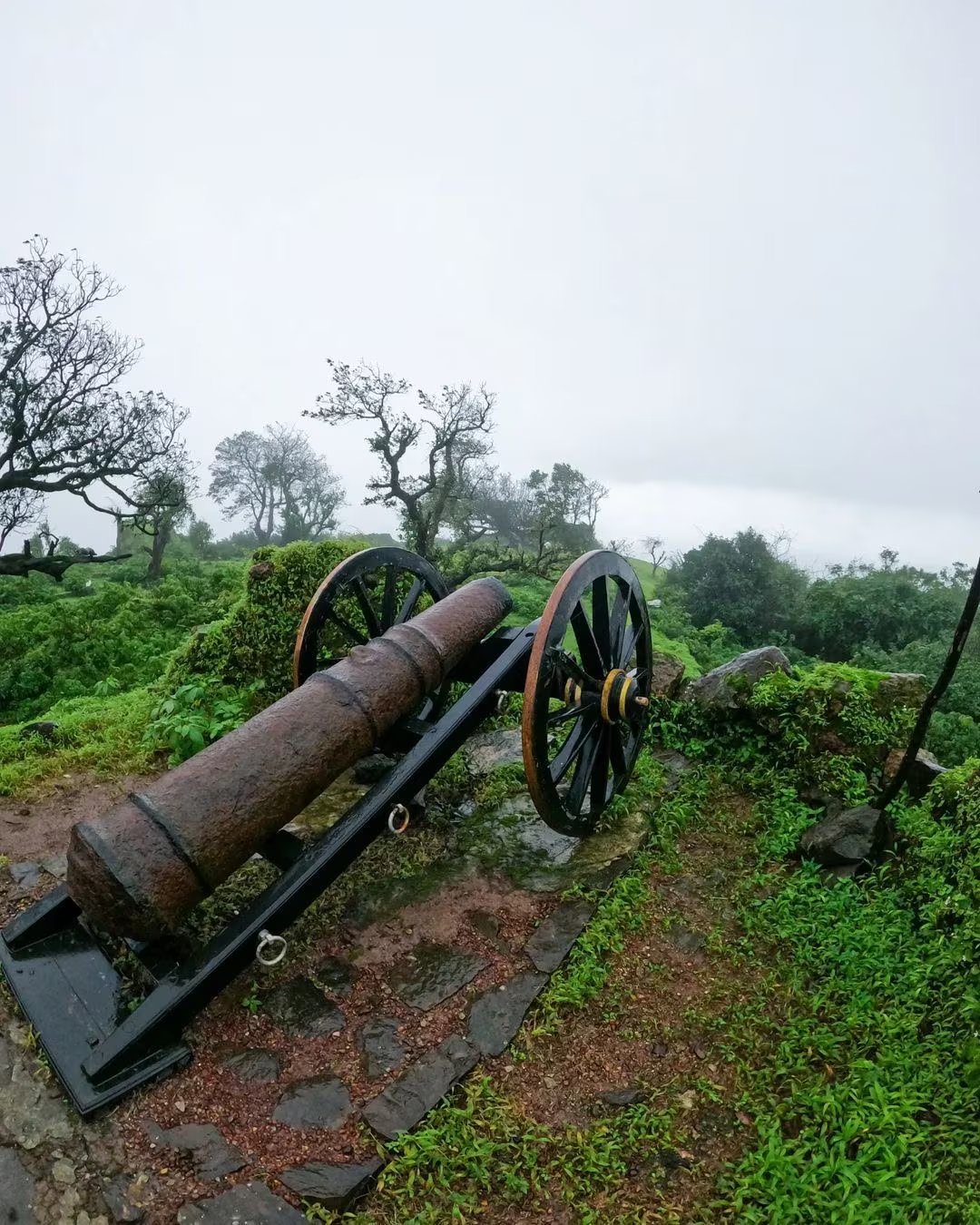
Sagargad is the trekker's fort of the Alibaug region, a hill fortress rising about 1,357 feet with commanding views over the coast and the Sahyadri foothills. The climb from near Khandale village winds up through forest and offers a genuine, rewarding hike rather than a casual stroll, which is exactly why adventure lovers and weekend trekkers seek it out. At the top you will find a temple to Mahishasurmardini, the Siddheshwar monastery and, on the way, the lovely Dhondane waterfall that comes alive in and after the monsoon. The fort's ramparts and viewpoints reward the effort with sweeping panoramas of the Alibaug region and the Arabian Sea in the distance. It suits fit travellers who enjoy history and nature in equal measure. Located about 27 km from Alibaug, Sagargad is best trekked in the cool, clear October to March window, though the surrounding greenery is at its most dramatic just after the rains. Start early, carry plenty of water and sturdy shoes, and give yourself a half day for the climb, the temple and the views.
 3
3Khanderi Fort (Kanhoji Angre Island)
FortsAlibaug
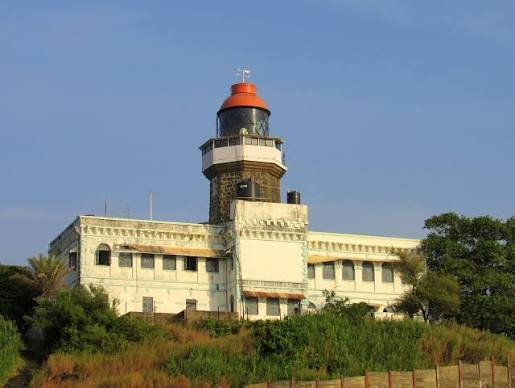
Khanderi, officially renamed Kanhoji Angre Island in 1998 after the legendary Maratha admiral, is a fortified island a few kilometres off the coast near Thal, reached by a short boat ride. Part of the Maratha naval defences, the island rises in two low hills and carries a fort along with a lighthouse the British built in 1867 that still stands guard over the shipping lanes. A Vetal temple and old fortifications add to the island's atmosphere, and the sea crossing itself is part of the adventure, with fine views back to the mainland and across to its sister island Underi. Because the island falls under Indian Navy jurisdiction, it is a restricted area, but visitors can usually reach it and see the lighthouse for a minimal charge, subject to permissions. It suits history lovers and the adventurous who enjoy a boat trip. Ferries run from Thal, about 14 km from Alibaug. Visit in the calm October to March season when the sea allows boats, confirm access and boat timings in advance, and set out early for a memorable island fort experience.
 4
4Revdanda Fort
FortsAlibaug
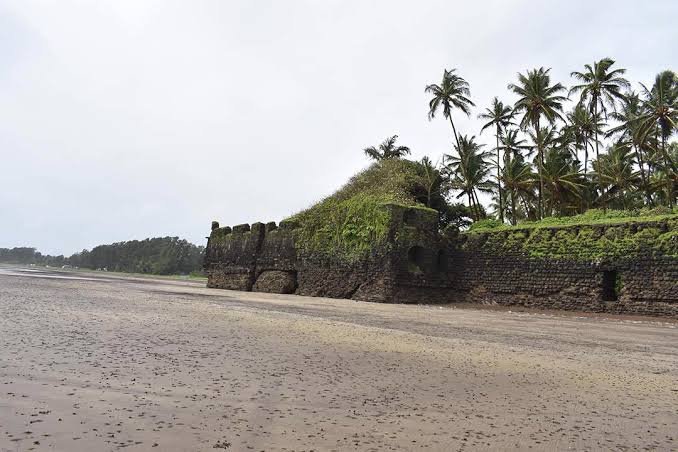
Revdanda Fort is a hauntingly beautiful ruin where Portuguese history dissolves into coconut and betel-nut plantations right beside the sea. Part of the old Chaul-Revdanda defences, the fort once controlled the coast and the flourishing port trade, and today its crumbling walls, arches and a tall tower stand half-swallowed by greenery, creating one of the most atmospheric and photogenic spots near Alibaug. Wandering among the ruins, with the surf on one side and swaying palms on the other, feels like stepping into a lost chapter of the coast's colonial past. The adjoining Revdanda beach and the fragrant local Bakuli flower add to the sense of a place where nature and history have merged. It suits history lovers, photographers and slow travellers. Located about 17 km from Alibaug, it pairs perfectly with Korlai fort just across the Kundalika creek. Visit in the cooler October to March season, explore the ruins in the morning or late afternoon light, and take your time among the walls that quietly tell the story of old Chaul.
 5
5Kolaba Fort
FortsAlibaug
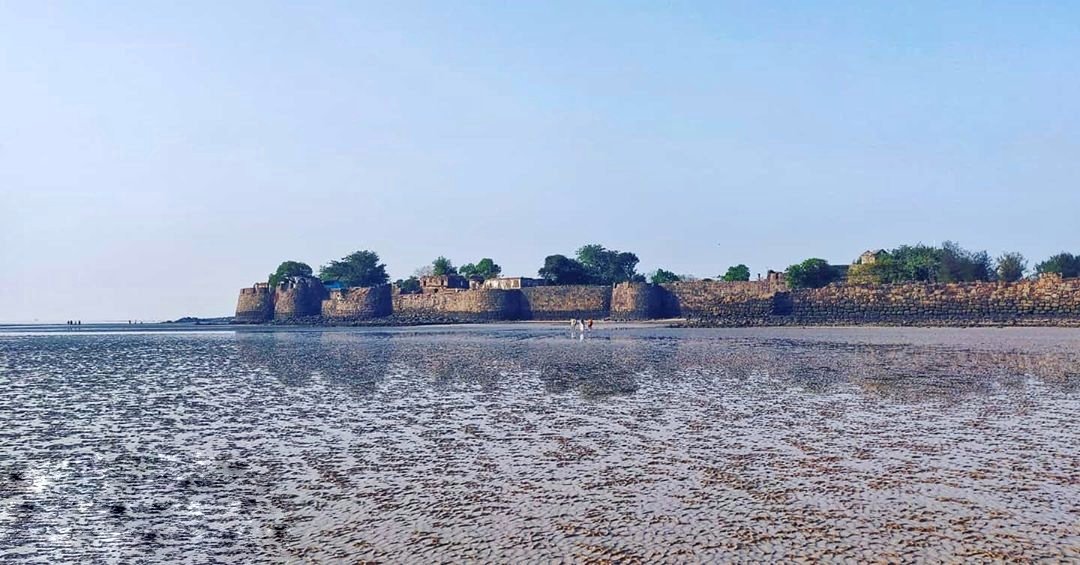
Kolaba Fort is the icon of Alibaug, a mighty sea fort standing a kilometre or two off the town beach that you can walk out to across the sand at low tide. Built by Chhatrapati Shivaji Maharaj around 1680 and completed under Sambhaji Maharaj, it was one of the chief naval stations of the Marathas, from where Kanhoji Angre and his fleet challenged the Siddis, the British and the Portuguese. Its weathered ramparts rise about 25 feet, and within the walls you will find a Ganesh temple, a dargah, freshwater wells that survive amid the sea, and carvings of animals and birds on the stone. Walking to the fort as the tide recedes, exploring its bastions and gates, and imagining the sea battles it witnessed is the quintessential Alibaug experience. It suits history lovers, families and photographers alike. Time your visit strictly to the low tide, wear footwear you can walk on wet sand in, and start back before the water returns. Visit in the October to March season, and combine it with the town beach, synagogue and seafood.
 6
6Korlai Fort & Lighthouse
FortsAlibaug
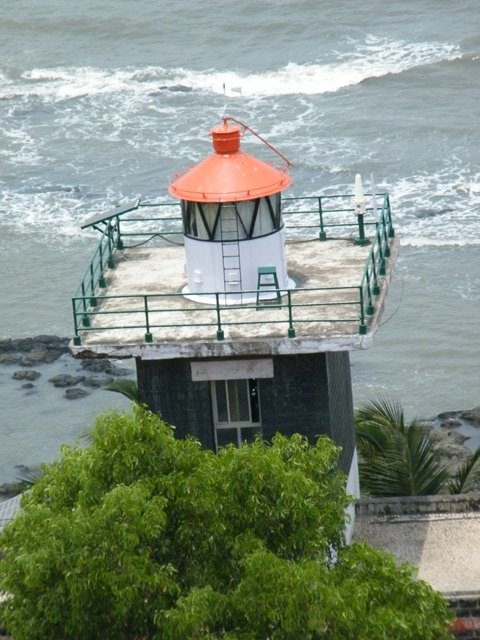
Perched on a rocky headland where the Kundalika river meets the Arabian Sea, Korlai Fort is one of the most dramatic and historically rich sites near Alibaug. The Portuguese built it in 1521 to guard the Revdanda creek and the trade route to old Chaul, and its main gate still bears an inscription meaning no entry without a fight. Climbing through its seven gates you reach ramparts with sweeping estuary views, a sweet-water well, a now-disused church, a small Hindu temple and a lighthouse that still guides ships today. The fort shares its headland with Korlai village, whose residents remarkably still speak a unique Indo-Portuguese creole, a living echo of the colonial past. History buffs, trekkers and photographers will find the climb well worth it. Reach it across the Revdanda bridge, about 20 km from Alibaug. Visit in the October to March season, wear sturdy shoes for the rocky ascent, and climb to the lighthouse for one of the finest coastal panoramas on this stretch of the Konkan shore.
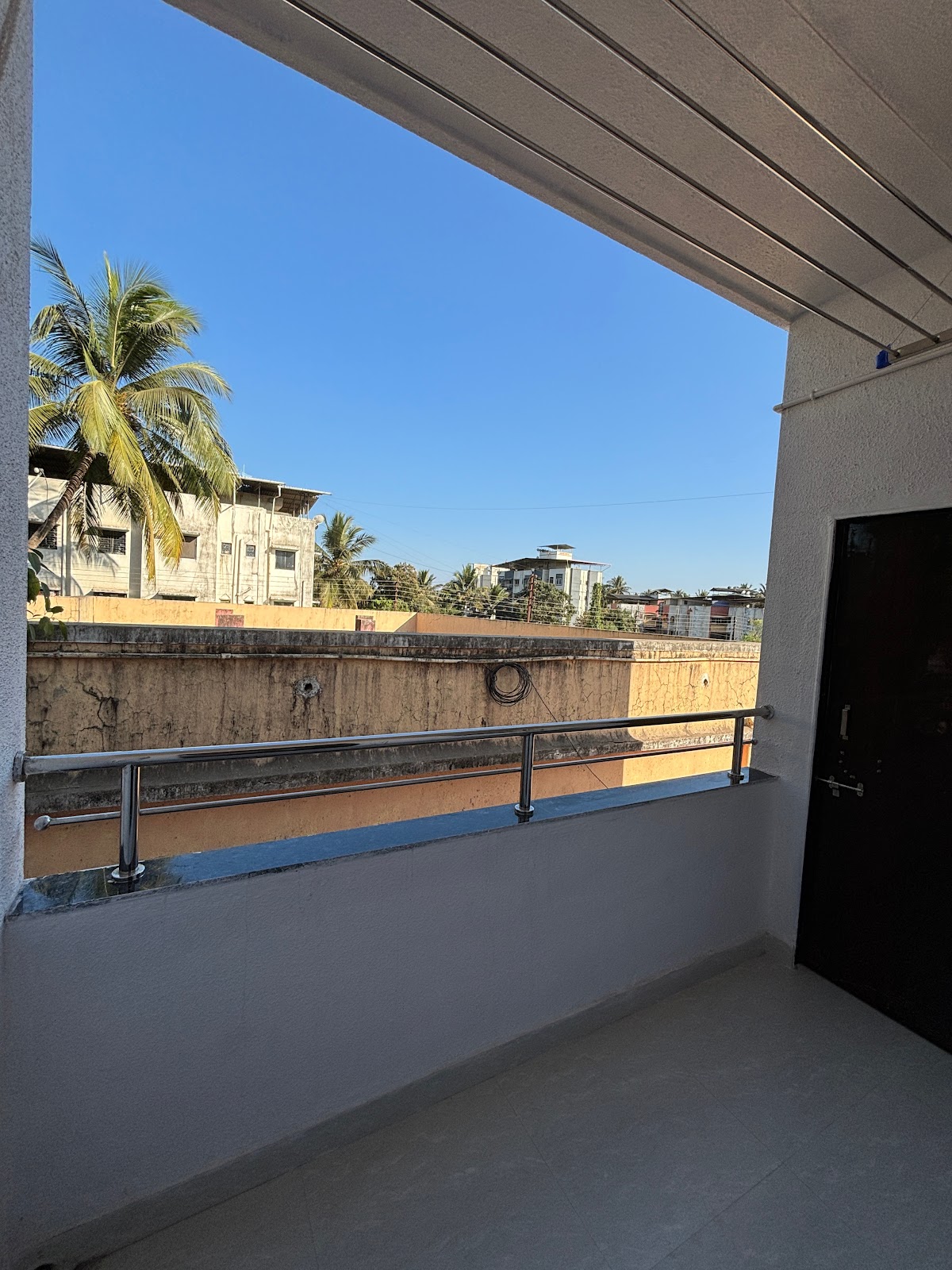
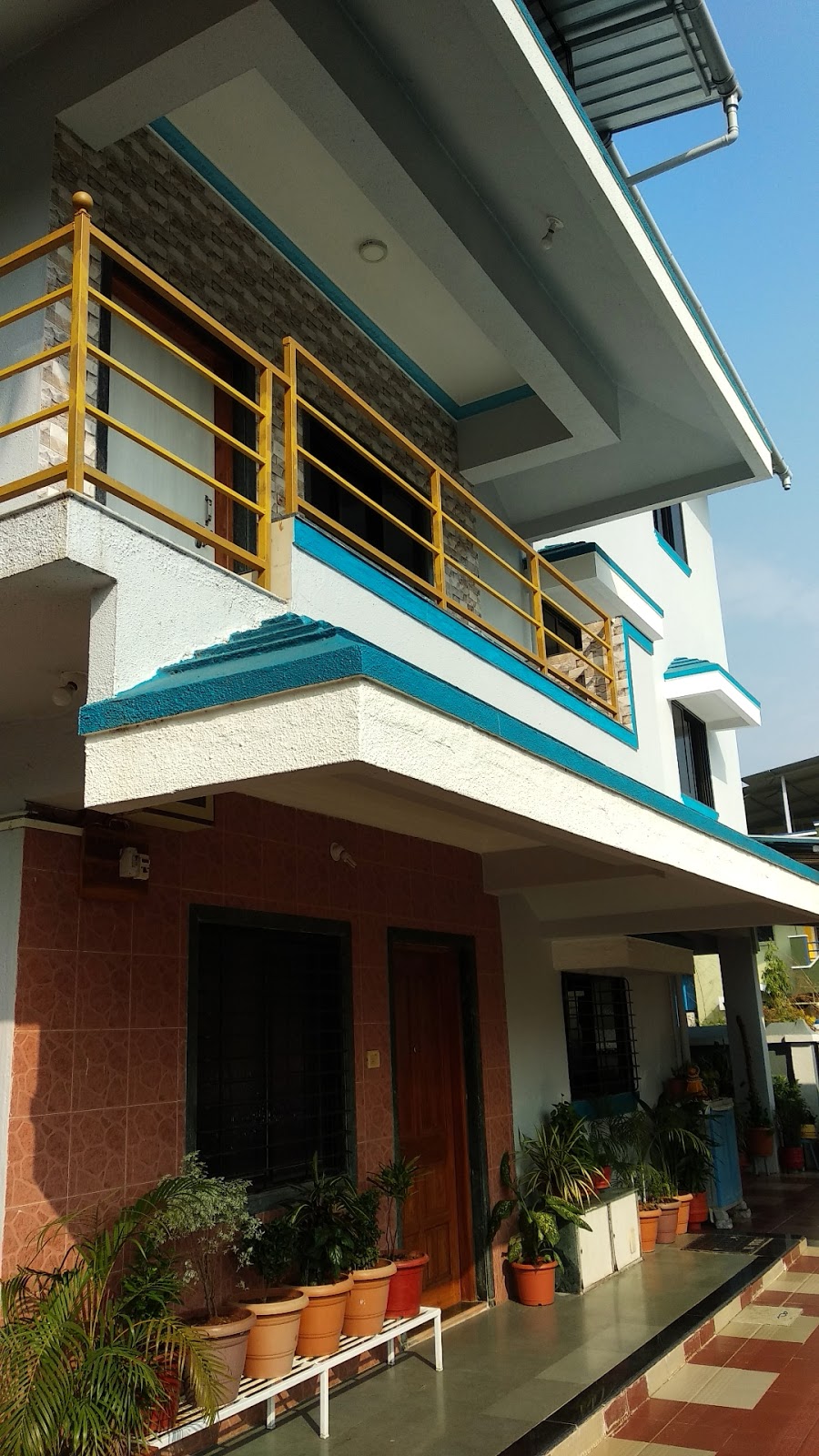
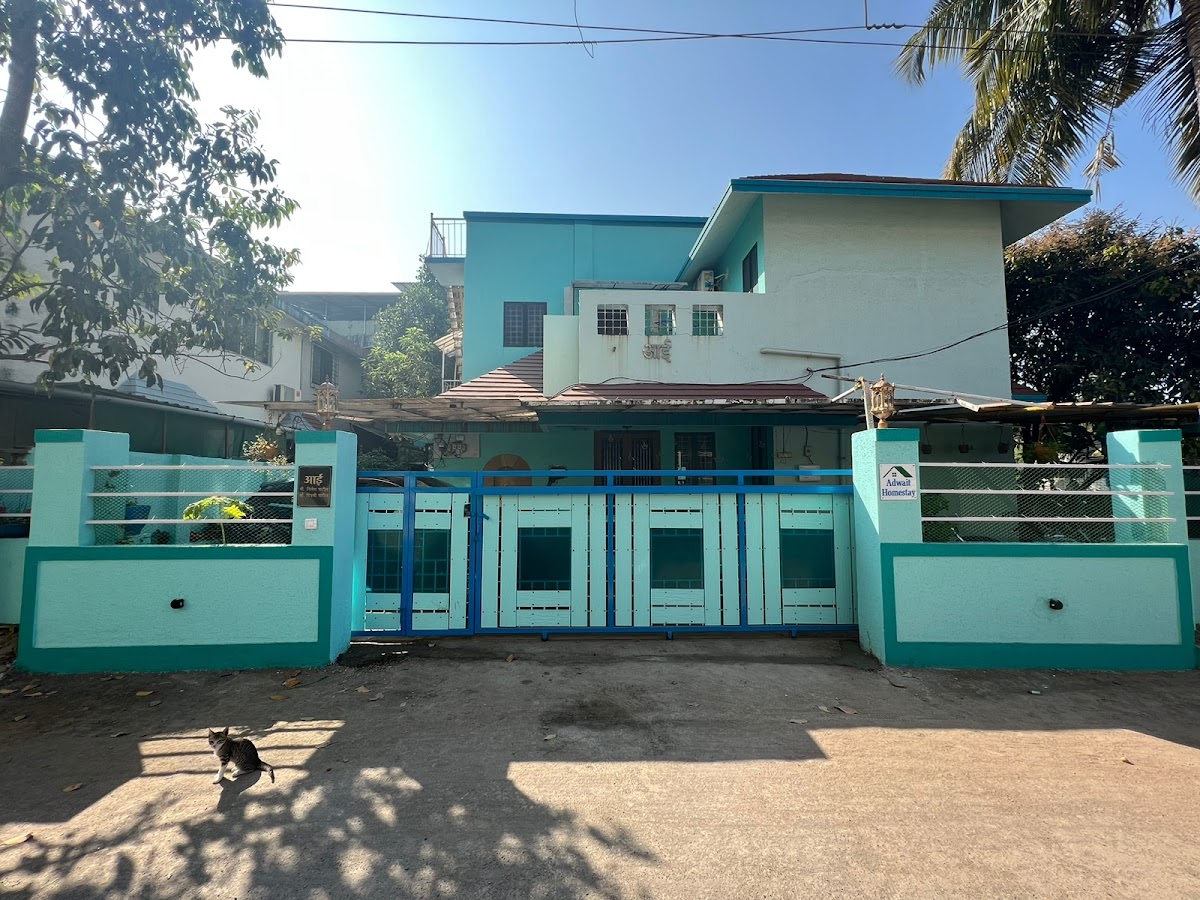
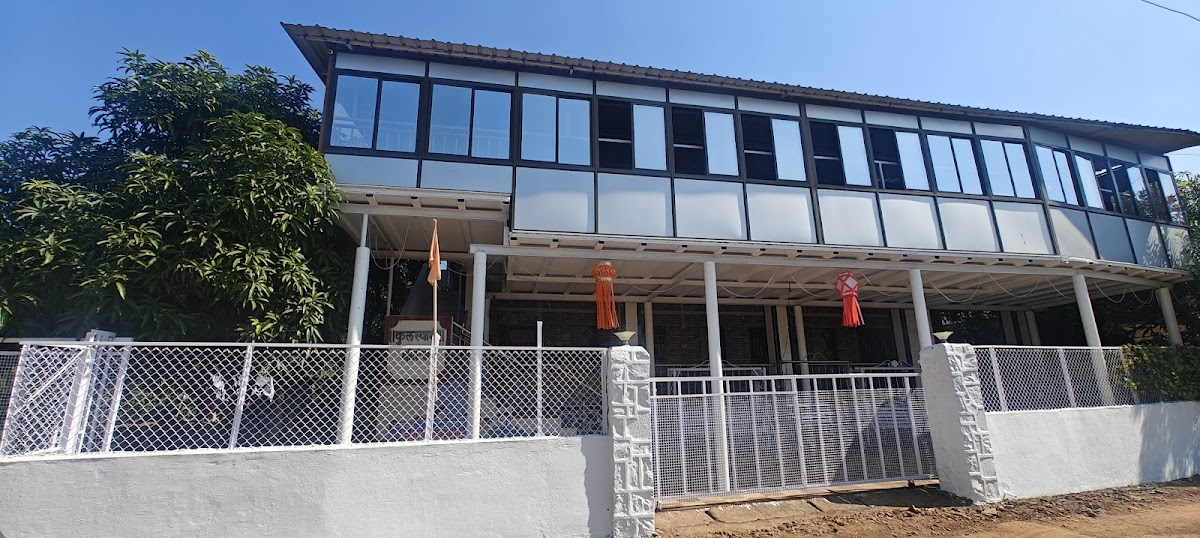
Nearby Homestays
Travel Tips
Visit Kolaba Fort during low tide for easy access on foot.
Start your sightseeing early to avoid the afternoon heat.
Carry at least 2 litres of drinking water per person.
Wear comfortable walking or trekking shoes with good grip.
Avoid climbing on damaged fort walls for your safety.
Frequently Asked Questions
Related Guides

Written by
Mayur Vichare
A passionate travel blogger who loves exploring new destinations, hidden gems, and local cultures. From scenic getaways to offbeat experiences, they share travel guides, honest tips, and inspiring stories to help readers plan memorable journeys. Their goal is to make travel easier, more exciting, and meaningful for every explorer.