Temples in Dapoli
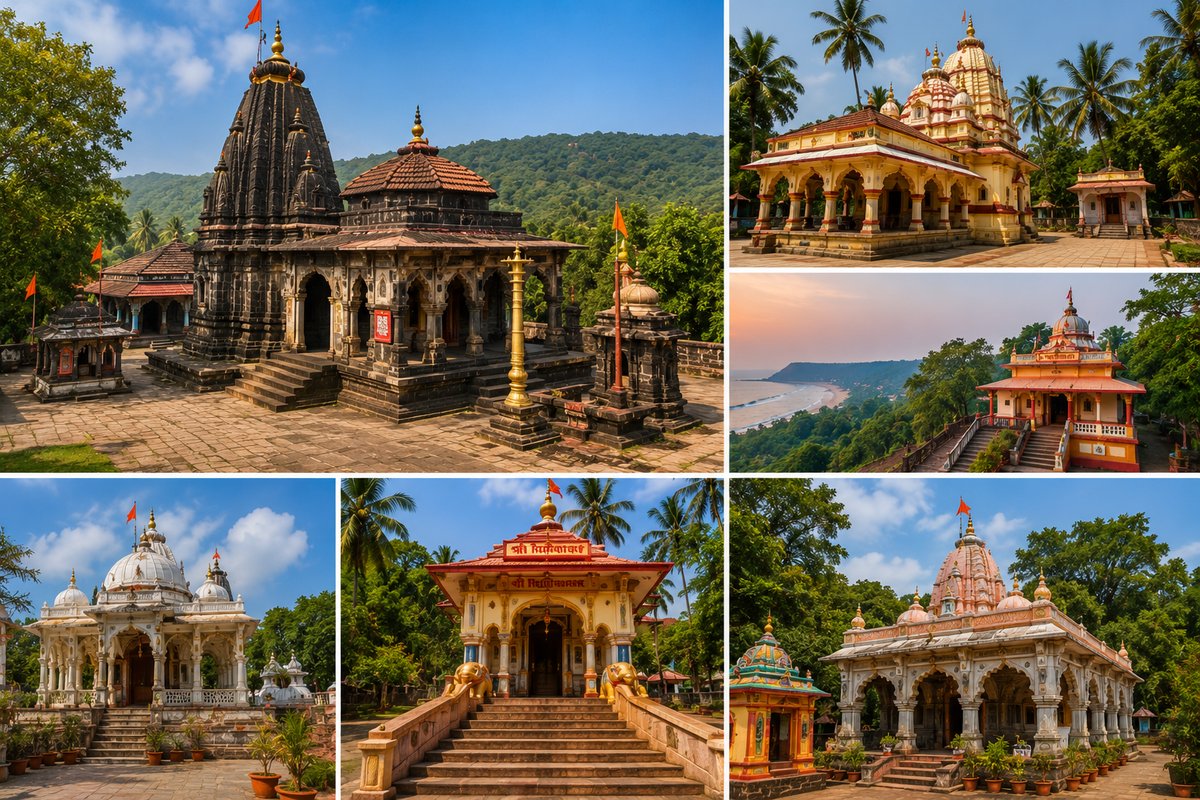
Explore the best temples in Dapoli, including Keshavraj Temple, Parshuram Temple, Chandika Devi Temple, Vyaghreshwar Temple, and more. Discover history, timings, how to reach, and travel tips.
Overview
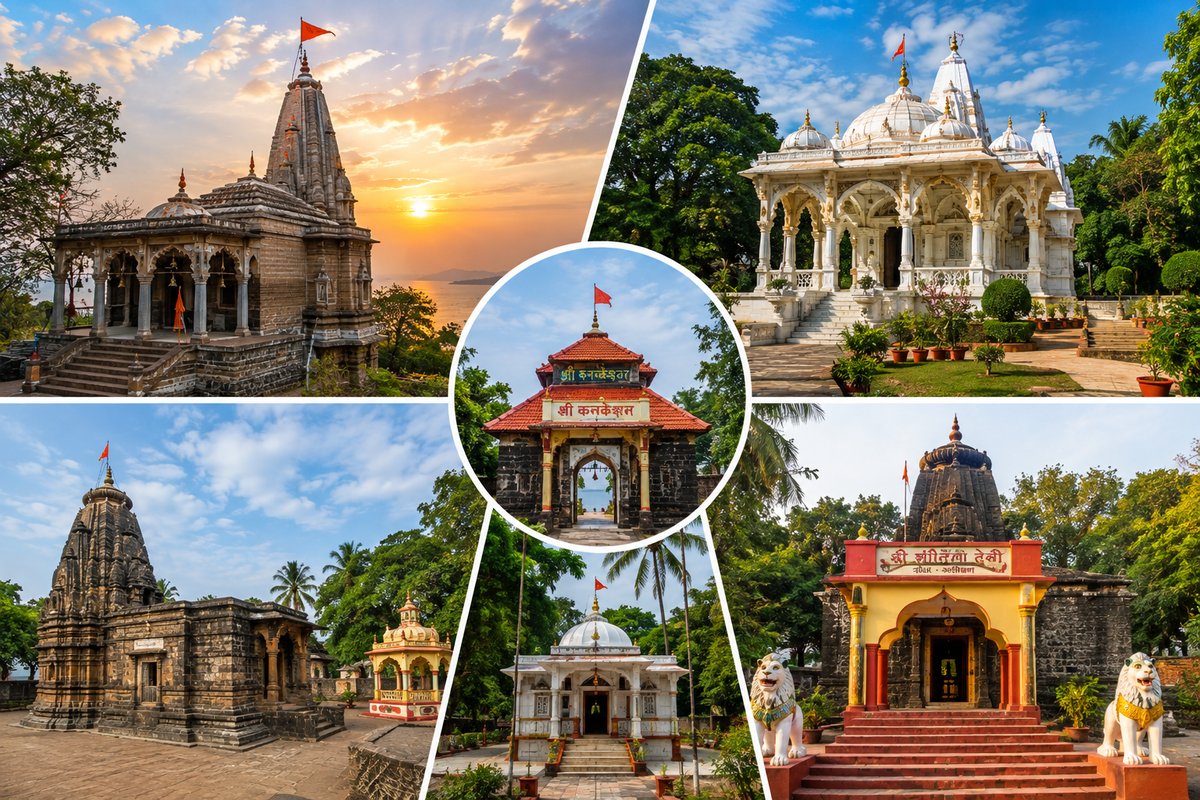
Nestled along Maharashtra's picturesque Konkan coast, Dapoli is not only known for its pristine beaches but also for its ancient temples that reflect the region's rich spiritual and cultural heritage. Surrounded by lush hills, rivers, and coconut groves, these temples offer a peaceful retreat for devotees and travellers alike. Whether you're seeking blessings, exploring centuries-old architecture, or enjoying the tranquil surroundings, Dapoli's temples promise a memorable spiritual experience.
Explore on Map
9 locations pinnedPlaces in this Guide
9 places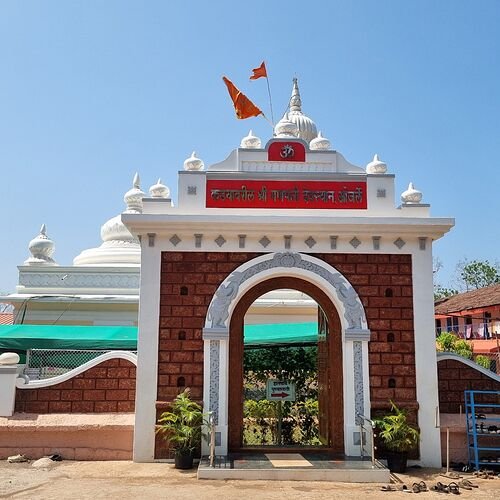 1
1Kadyavarcha Ganpati Temple
TemplesDapoli
Perched on a cliff above Anjarle, Kadyavarcha Ganpati is among the most beloved temples in the entire Konkan, and its setting is half the magic. The name means the Ganpati on the cliff, and as you climb the tree-lined path the whole coast opens up beneath you: coconut and betel-nut plantations, the blue Arabian Sea, the distant Suvarnadurg fort and rolling green hills. The idol itself is a rarity, an Ujavya Sondecha Ganpati whose trunk turns to the right, considered especially auspicious. Originally built with wooden pillars around 1150 AD and rebuilt in Peshwa style between 1768 and 1780, the temple carries centuries of devotion, and a Shiva shrine stands beside it. Pilgrims and travellers alike make the short ascent for darshan, for the panoramic view, and for the deep calm of the hilltop. It pairs naturally with Anjarle Beach below and its turtle festival. Visit in the cool October to March months, come early to beat the heat on the climb, and allow time simply to sit and absorb the view.
 2
2Vyaghreshwar Temple
TemplesDapoli
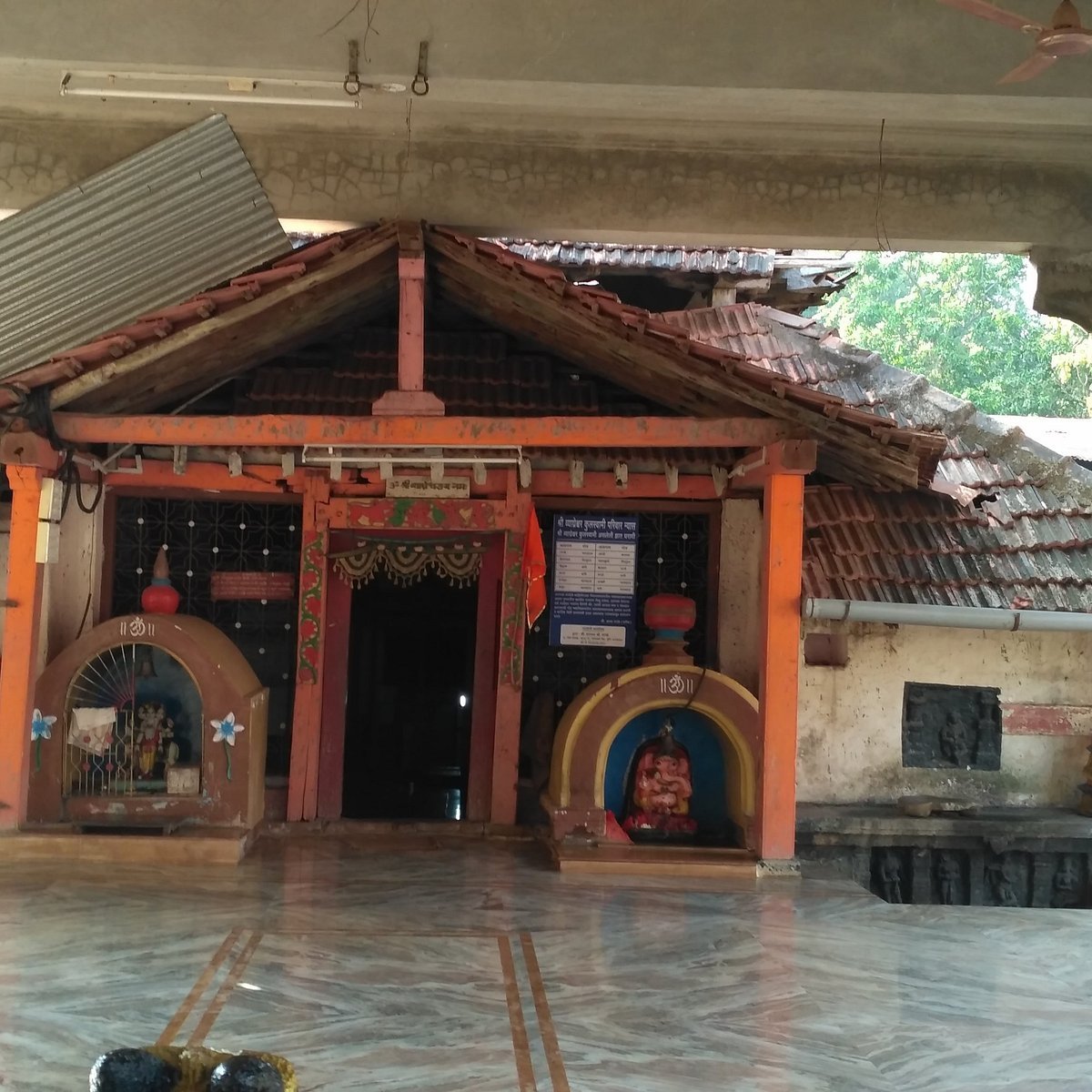
Vyaghreshwar is one of the oldest and most atmospheric temples in Dapoli, a roughly thousand-year-old Shiva shrine standing on a riverbank in the village of Asud. Built in the distinctive Hemadpanthi style, its congregation hall leads to a sanctum housing a swayambhu, or self-emerged, Shivling, while a large stone Nandi keeps watch outside and dancer sculptures adorn the platform. The whole complex is enclosed by a massive stone wall backed by hills, which has protected it through the centuries and lends a fortress-like calm. Vyaghreshwar is the family deity, or kuladaivat, of many Chitpavan Kokanastha Brahmin families, and it also holds a place in Marathi literature through the novel and film Garambicha Bapu. Just outside the wall sits the shrine of Zolai Devi, the village guardian goddess. History lovers and devotees will appreciate the ancient carvings and the serene stream nearby. It sits close to the Keshavraj trail, so the two temples make an easy pair. Visit October to March, dress modestly, and take a slow look at the old stonework.
 3
3Keshavraj Temple
TemplesDapoli
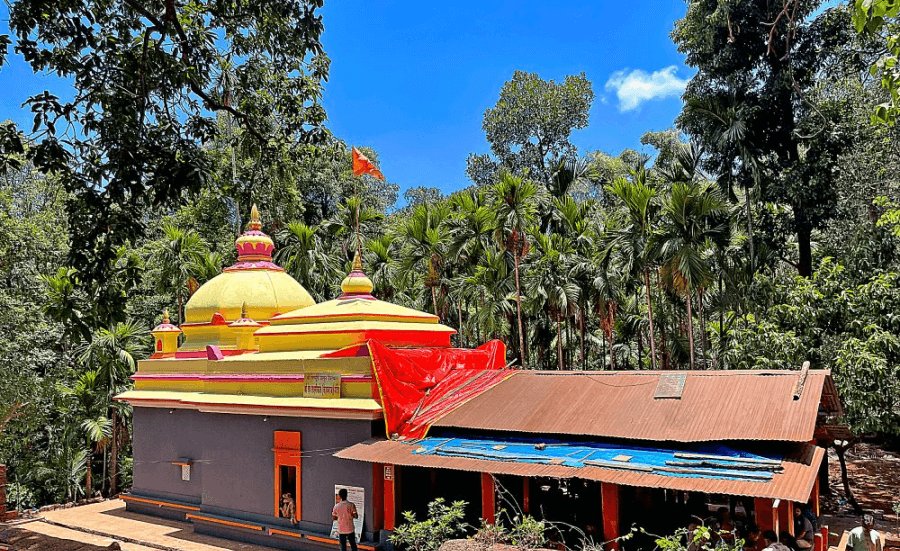
Reaching Keshavraj is as much a pleasure as arriving, because the temple hides at the top of a gorgeous forest trail near the village of Asud. The walk crosses a little bridge and winds up through dense mango, coconut and betel-nut groves, with birdsong and a stream for company, before a flight of old stone steps delivers you to the shrine. Dedicated to Lord Vishnu as Keshavraj, the temple is famous for a stone-carved gomukh, a cow-mouth spout fed by a perennial natural spring that flows cool and clear all year. The setting is deeply peaceful, wrapped in green and far from any road noise, which is exactly why it tops so many Dapoli itineraries. The gentle trek makes it suitable for most fitness levels and a hit with families and nature lovers. Combine it with the nearby thousand-year-old Vyaghreshwar temple in the same village. Visit October to March, wear shoes with grip for the trail, and carry a bottle to taste the famous spring water at the top.
 4
4Koleshwar Temple
TemplesDapoli
Koleshwar is the ancient Shiva temple that gives the quiet village of Kolthare much of its identity. Set close to the Kolthare coast where the Panchanadi stream meets the sea, this old shrine has drawn devotees for generations and remains a peaceful, unhurried place of worship far from any tourist bustle. The temple's setting, among coconut groves and near the water, deepens its calm, and the surrounding village retains a traditional Konkan character that has changed little over time. Travellers who reach Kolthare for its serene beach often find the Koleshwar temple the soul of the visit, a place to pause, offer prayers and soak up the stillness. It fits naturally into a southern Dapoli loop alongside the beach and the Ghalai and Waghbil sunset points. Because the area is lightly developed, come self-sufficient, and time your trip for the cool October to March months. For anyone seeking an authentic, off-the-map temple experience in Dapoli, Koleshwar and its village make a gentle, rewarding stop.
 5
5Durga Devi Temple
TemplesDapoli
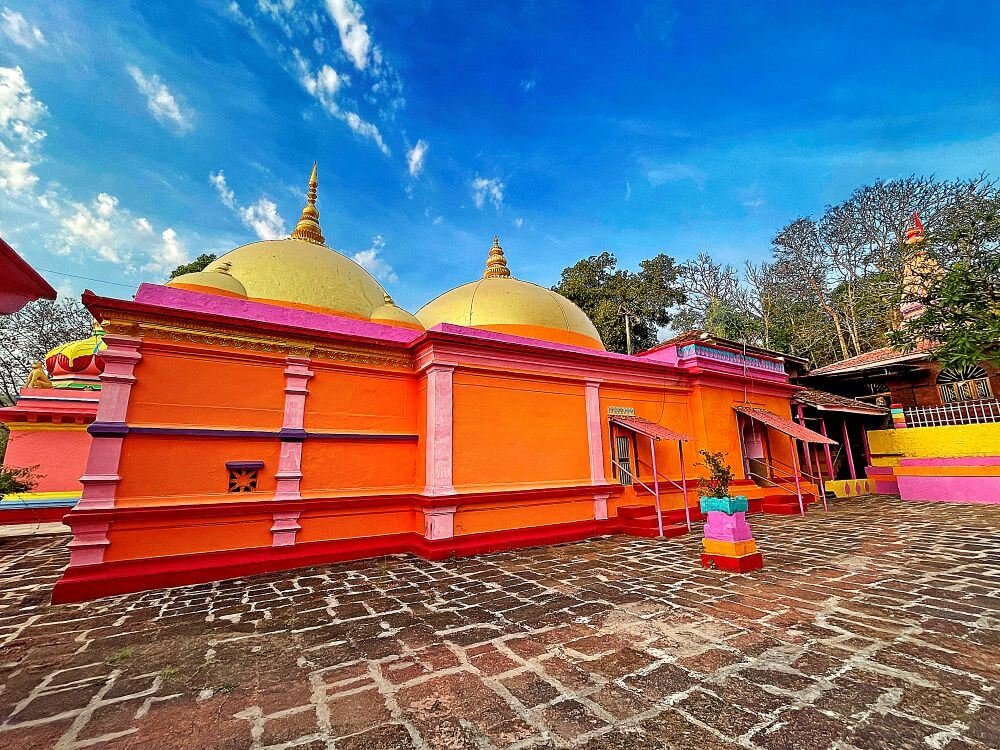
The Durga Devi temple in Murud village is the spiritual centre of one of Dapoli's most popular beach communities. A traditional goddess shrine dedicated to Durga, it has long been the focus of village faith and festivity, and it sits within easy reach of the palm-shaded Murud Beach, so a visit blends devotion with a seaside outing. The temple's unassuming, welcoming character reflects everyday Konkan worship rather than grand architecture, and that is its charm: a living local shrine where you can quietly observe the rhythms of village life. Navaratri and other festival days bring colour, music and gatherings that visitors are warmly welcomed to witness. Because it is right in Murud, it slots effortlessly into a beach day at Murud and Karde, or a broader temple trail taking in Keshavraj and Vyaghreshwar at nearby Asud. Visit during the pleasant October to March season, dress modestly, and pair your darshan with a walk on the adjoining beach for a balanced dose of faith and calm.
 6
6Kelshi Mahalaxmi Temple
TemplesDapoli
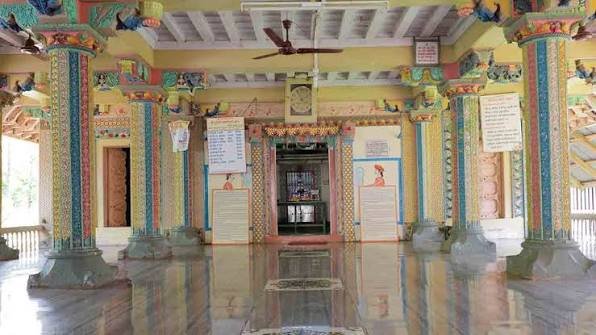
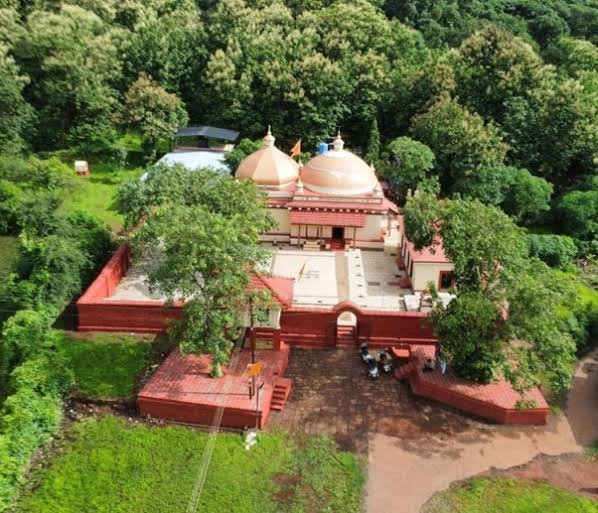
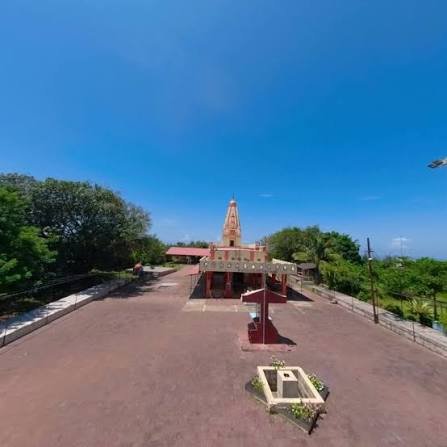
The Mahalaxmi temple at Kelshi is a serene Peshwa-era shrine tucked at the base of Utambar hill and enclosed within a stone fortification. The presiding deity is a swayambhu Mahalakshmi, and the sanctum, entered through three doors and crowned by two large domes, also houses idols of Lord Ganpati and Lord Shiva, making it a compact spiritual complex. Built during the Peshwa regime, the temple carries the quiet dignity of old Konkan devotion and anchors the heritage-rich village of Kelshi, which is equally known for its sand dunes and the Yakub Baba Dargah. Pilgrims come for darshan and for the calm of the hill-backed setting, while travellers fold it into a wider Kelshi itinerary of beach, dunes and dargah. The stonework and the twin domes are worth a slow, appreciative look. Visit in the pleasant October to March window, dress modestly as at any temple, and give yourself time to explore the surrounding village, which rewards the unhurried with layers of history and folklore.
 7
7Zolai Devi Temple
TemplesDapoli
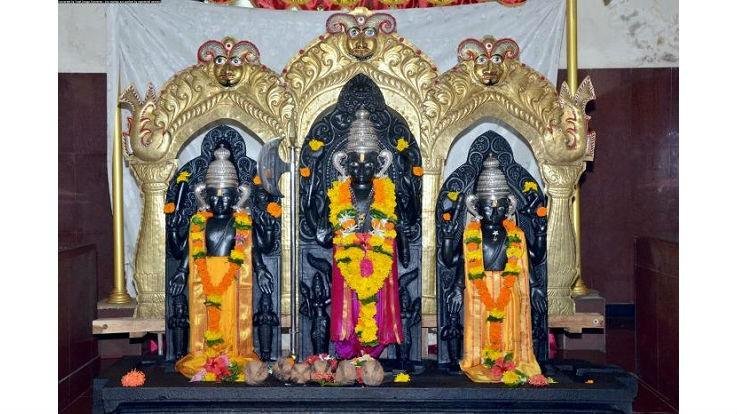
Just outside the great stone wall of the ancient Vyaghreshwar temple in Asud stands the shrine of Zolai Devi, the guardian goddess of the village. Small, sincere and steeped in local faith, it is the kind of temple that rarely makes a tourist brochure yet forms the true spiritual backbone of the community. Villagers turn to Zolai Devi as their protector, and her shrine is woven into the daily and festival life of Asud, the same village famed for the Keshavraj forest trek and the thousand-year-old Vyaghreshwar Shiva temple. For travellers already exploring that temple pair, a quiet stop at Zolai Devi completes the picture of Asud as a living heritage village rather than a mere sightseeing checklist. There is a genuine, unpolished authenticity here that rewards respectful visitors. Because it sits beside Vyaghreshwar, no extra journey is needed. Visit in the cool October to March season, dress modestly as at any shrine, and take a moment to appreciate how faith, temple and village remain tightly bound together in this corner of Dapoli.
 8
8Bhargavram (Parshuram) Temple
TemplesDapoli
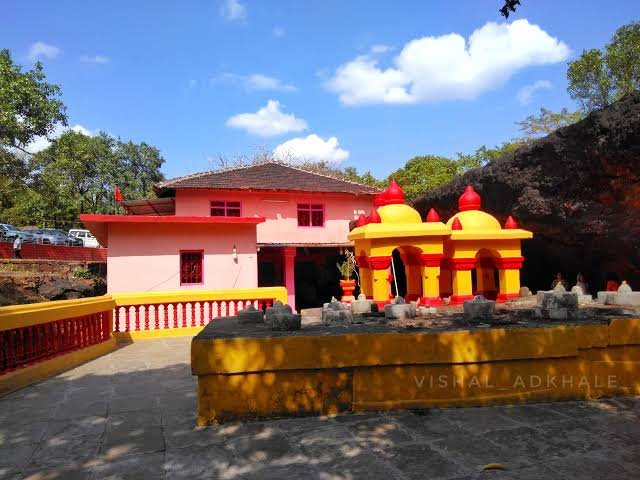
The Bhargavram temple near Ade is one of only two Parshuram temples in the Konkan, the other being at Chiplun, and it is a serious pilgrimage stop for those who reach the northern edge of Dapoli. This ancient complex, in existence since the time of the Peshwas, is unusual for its layout: five east-facing temples set together, with the main Bhargavram (Parshuram) shrine accompanied by temples to Shiva, Renuka, Hanuman, Ganesh, Vetal and Shani. That concentration of deities in one heritage compound makes it a rich, layered visit for the devout and the history-minded alike. Set between Kelshi and Ade, it is easily combined with Kelshi's beach, dunes and Mahalaxmi temple for a full day of coast and culture in an area many tourists never reach. The old architecture and the quiet, tree-shaded setting reward an unhurried visit. Come in the cool October to March season, dress modestly, and set aside time to walk the complex and take in each of its shrines rather than rushing a single darshan.
 9
9Chandika Devi Temple
TemplesDapoli
Few temples feel as mysterious as Chandika Devi at Dabhol, where the goddess is worshipped inside a small, dark natural cave rather than a conventional hall. Believed to date to the Pandava era, the swayambhu deity sits deep within an underground chamber, and pilgrims traditionally carry a lamp or torch as they step from daylight into the cool, silent cave, an experience that stays with you. Set about 27 km from Dapoli town on the Dabhol road, the temple draws steady streams of devotees, and it comes alive during Navaratri, when celebrations here are especially grand. The rustic, cave-set setting and the sense of stepping into deep antiquity make Chandika Devi a standout for travellers who value atmosphere and legend over ornate architecture. It pairs well with the historic port town of Dabhol and its old mosques and estuary views. Visit in the cooler October to March months, dress modestly, and carry a small torch so you can take in the carvings and the deity within the cave.
Nearby Homestays




Travel Tips
Visit early morning for a peaceful darshan without crowds
Carry appropriate clothing as per temple dress code
Remove footwear before entering the temple premises
Photography may be restricted inside the sanctum
Frequently Asked Questions
Related Guides

Written by
Mayur Vichare
A passionate travel blogger who loves exploring new destinations, hidden gems, and local cultures. From scenic getaways to offbeat experiences, they share travel guides, honest tips, and inspiring stories to help readers plan memorable journeys. Their goal is to make travel easier, more exciting, and meaningful for every explorer.